Lawizer’s Blog Page
-
Myths About Registering a Company in India: 10 Myths Starting a business is exciting. However, the legal side of building a business can quickly become confusing, especially when founders receive different advice from friends, social media, consultants and other business owners. Some of the most common myths about registering a company relate to minimum capital,… read more

-
founders agreement explained: clauses & legal guide Starting a business with a co-founder often begins with trust, shared goals and an exciting idea. However, as the business grows, questions about ownership, salary, responsibilities and decision-making can become difficult. This is where founders agreement explained in practical terms becomes important for Indian entrepreneurs. A founders agreement… read more

-
shareholder agreement basics: India Guide A clear understanding of shareholder agreement basics can help Indian founders avoid disputes over ownership, voting, management, share transfers and exits. A Shareholders’ Agreement (SHA) sets out agreed rights and obligations between shareholders and can provide a practical framework for running a company when more than one person owns it.… read more

-
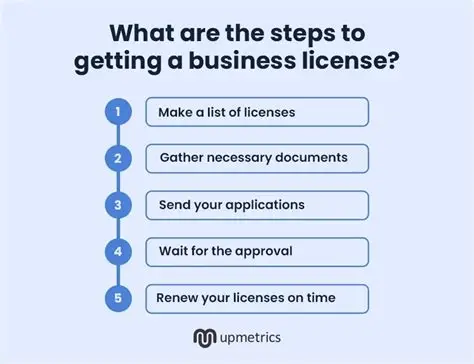
Business Licenses Every Startup Needs in India Business licence and compliance checklist for Indian startups. Starting a business in India involves more than registering a company and opening a bank account. The business licenses every startup needs depend on the business structure, industry, location, turnover, employees and activities of the startup. A food business, SaaS… read more
-
How to sell trademark in India: A Legal Guide If you are wondering how to sell trademark rights in India, the process is generally possible through a legal assignment or transmission of the trademark. A trademark can be a valuable business asset, particularly when it has established goodwill, customer recognition and commercial value. However, selling… read more

-
What Is Intellectual Property? India Guide If you are a founder, creator or small-business owner, you may be wondering what is intellectual property and why it matters to your business. Intellectual property, commonly called IP, refers broadly to creations of the mind and the legal rights that may protect qualifying creations, inventions, brands and creative… read more

-
Trademark objection reply is the written response submitted to the Trade Marks Registry when an examiner raises objections against a trademark application. Seeing “Objected” on the IP India portal can be worrying, but an objection is not the same as a final rejection. The applicant gets an opportunity to explain why the mark should proceed,… read more

-
How startups raise funds in India: A Guide Understanding how startups raise funds in India is important for founders who want to build, launch and scale a business without giving away more ownership than necessary. Startup funding can come from several sources, including personal savings, business revenue, friends and family, angel investors, venture capital firms,… read more
-
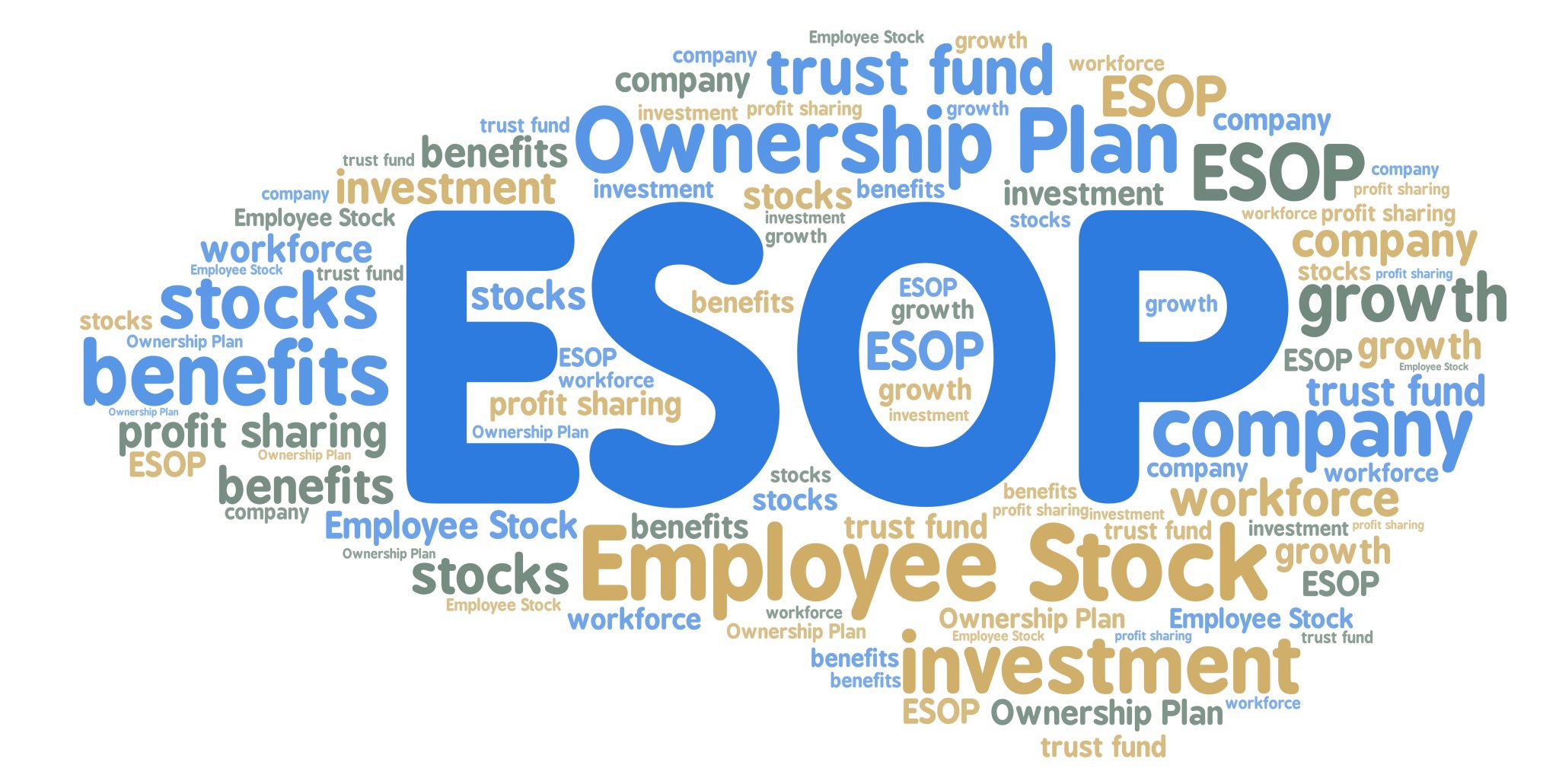
ESOP Guide for Startups: Equity Plans Explained An ESOP guide for startups is useful for founders who want to attract and retain talented employees without relying only on higher salaries. An Employee Stock Option Plan gives eligible employees the right to acquire shares in the company in the future, subject to the terms of the… read more
-
Featured image alt text: how to open a current account for business in India Starting a business involves more than choosing a name and finding customers. A separate bank account helps you manage business income, expenses, vendor payments and customer collections more efficiently. If you are wondering how to open a current account for business… read more

-
A business logo is often the first thing customers remember about a brand. Logo trademark registration can help a business protect that visual identity and establish statutory trademark rights in relation to the goods or services covered by the registration. For Indian founders and small-business owners, registering a logo is therefore an important part of… read more

-
NDA explained for businesses: Types, Red Flags & Risks NDA explained for businesses is a topic every founder should understand before sharing sensitive information with an employee, consultant, investor, vendor or business partner. A Non-Disclosure Agreement, commonly called an NDA, is a contract designed to protect confidential information from unauthorised disclosure or misuse. For an… read more

-
Building a startup involves hundreds of decisions, from choosing a business structure to developing a product and finding customers. One decision that is often postponed is brand protection. Understanding why startups should trademark early matters because a brand name can become one of the most valuable assets a young business builds. A founder may spend… read more

-
Copyright registration in India is an important way for creators, founders and businesses to document ownership of original creative work. Books, software, photographs, artwork, music, films, website content and other eligible works can have significant commercial value. Under Indian copyright law, copyright generally arises automatically when an original eligible work is created. Registration is therefore… read more

-
website terms and conditions are the rules that explain how people may use a business website and, where relevant, how online purchases, accounts, subscriptions, content and services are governed. For Indian founders, they are not merely a footer page. A well-drafted set of website terms can clarify responsibilities, reduce avoidable disputes and create a clearer… read more

-
Hiring a freelancer can help an Indian startup or small business move faster without adding a full-time employee. However, a simple WhatsApp conversation about the work, fee and deadline may not cover what happens when the project changes. freelance contract essentials give both sides a clear written framework for the work, payment, intellectual property, confidentiality… read more

-
Starting a business is exciting, but the legal mistakes startups make can quietly become expensive problems later. A founder may have a great product, paying customers and a strong growth plan, yet still face trouble because the company structure, contracts, intellectual property, tax records or statutory filings were not handled properly. For Indian founders, legal… read more

-
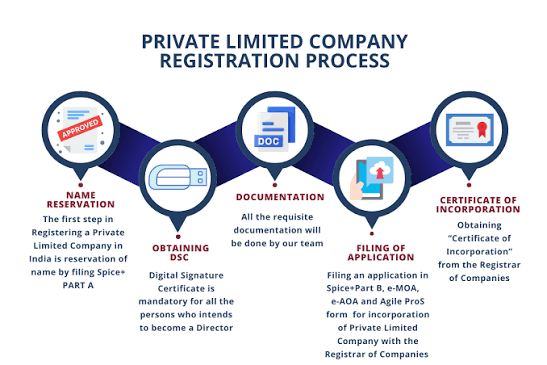
Starting a business in India involves more than choosing a name and opening a bank account. The legal structure you choose can affect liability, taxation, fundraising, compliance and long-term growth. For many startups and growing businesses, a Private Limited Company offers a practical structure because it creates a separate legal entity and limits shareholder liability,… read more
-
Your brand name, logo or tagline can become one of your business’s most valuable assets. But using a brand in the market does not automatically give you the strongest statutory protection available under Indian trademark law. If you are a founder or small-business owner wondering how to register a trademark in India, the process involves… read more

-
Building a strong brand takes time, money and consistent effort. Once your trademark is registered, keeping that protection active is equally important. The trademark renewal process allows a registered trademark to continue beyond its initial 10-year registration period. In India, a registered trademark is generally valid for 10 years and can be renewed for further… read more

-
Trademark vs Copyright vs Patent: Key Differences Trademark vs copyright vs patent is an important distinction for Indian founders and small-business owners who want to protect their brand, creative work, product design or invention. Although all three are forms of intellectual property protection, they protect different kinds of assets and give different legal rights. A… read more

-
How to protect your brand name is an important question for every founder, business owner and creator building a long-term business in India. Your brand name may become one of your most valuable business assets. It helps customers identify your products or services and distinguishes your business from competitors. However, simply choosing a name, registering… read more

-
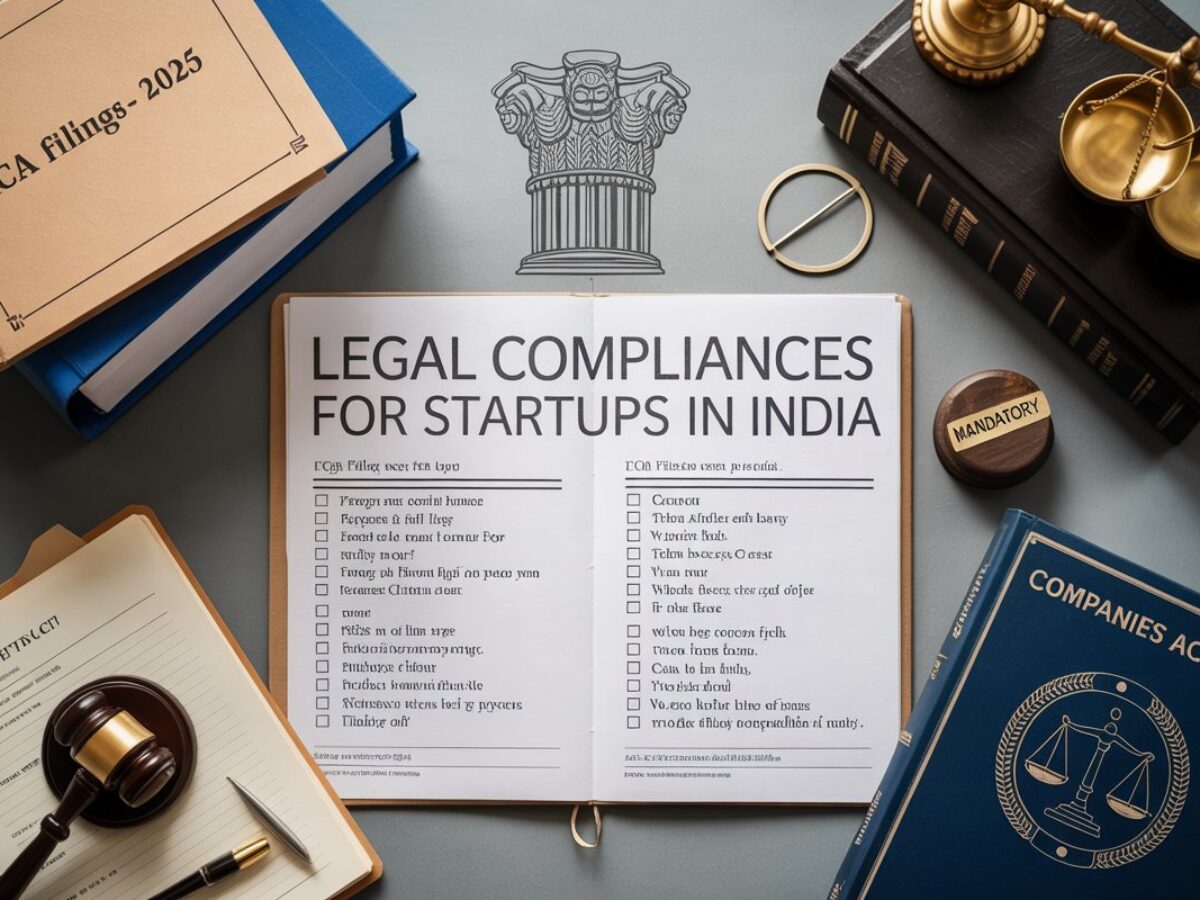
Legal List for New Founders: What You Need to Know Starting a business in India involves more than choosing a name, building a product and finding customers. A new founder also needs to understand registration, taxation, contracts, intellectual property and ongoing compliance. This legal list for new founders brings the main requirements together in one… read more
-
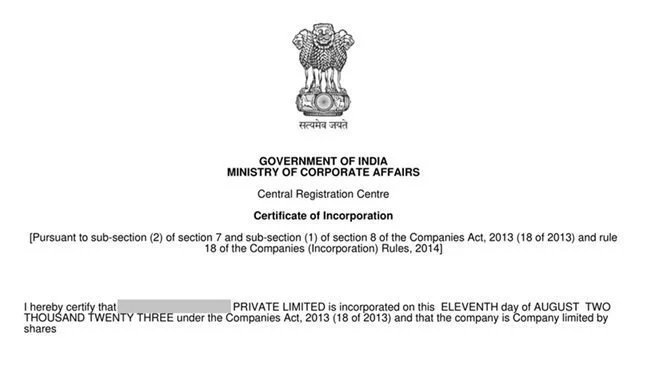
Starting a business is exciting, but choosing the right legal structure is one of the first important decisions an entrepreneur has to make. For startups, growing businesses and founders who may want to raise investment in the future, private limited registration is one of the most popular business registration options in India. A Private Limited… read more
-
Most Indian founders register their GST when they have to, file for MSME when someone tells them to, and think about trademark “later.” By the time “later” arrives, a competitor has already filed your brand name. In 2024 alone, India saw over 5.4 lakh trademark applications — a 9.3% jump year-on-year — and a growing… read more

-
West Bengal now has over 5,240 DPIIT-recognised startups — including 2,728 women-led ones — and Kolkata is at the centre of it all. But most founders waste weeks asking the wrong questions: “Do I need a trade licence first?” “Will SPICe+ work for a Kolkata address?” “What’s Startup Bengal and do I actually need it?”… read more

-
Over 7.30 crore enterprises have registered on the Udyam platform since July 2020 — and the ones that haven’t are leaving collateral-free loans, government tenders, and tax benefits on the table. MSME Udyam Registration is free, paperless, and takes under 30 minutes. Yet thousands of small business owners in Mumbai, Kolkata, Bengaluru, and beyond still… read more

-
Over 5.5 lakh trademark applications were filed in India in FY 2024–25 — a 20% jump from the previous year, according to the CGPDTM’s own Annual Report. That number tells you something: founders across Bengaluru, Mumbai, Delhi, and Kolkata have figured out that a brand without a registered trademark is a brand anyone can copy.… read more
-
Over 1.38 lakh new companies were incorporated in India between April 2024 and March 2025 alone — and most of those founders had to make one decision before anything else: what kind of business should I actually register? The wrong answer doesn’t just cost you money. It can block investor funding, expose your personal assets… read more

-
GST registration for startups in India trips up more founders than almost any other compliance step. Turnover thresholds, mandatory categories, e-commerce exceptions — there’s a lot to unpack, and the penalty for getting it wrong starts at ₹10,000. Here’s the thing: not every startup needs to register for GST immediately. But some do, regardless of… read more

-
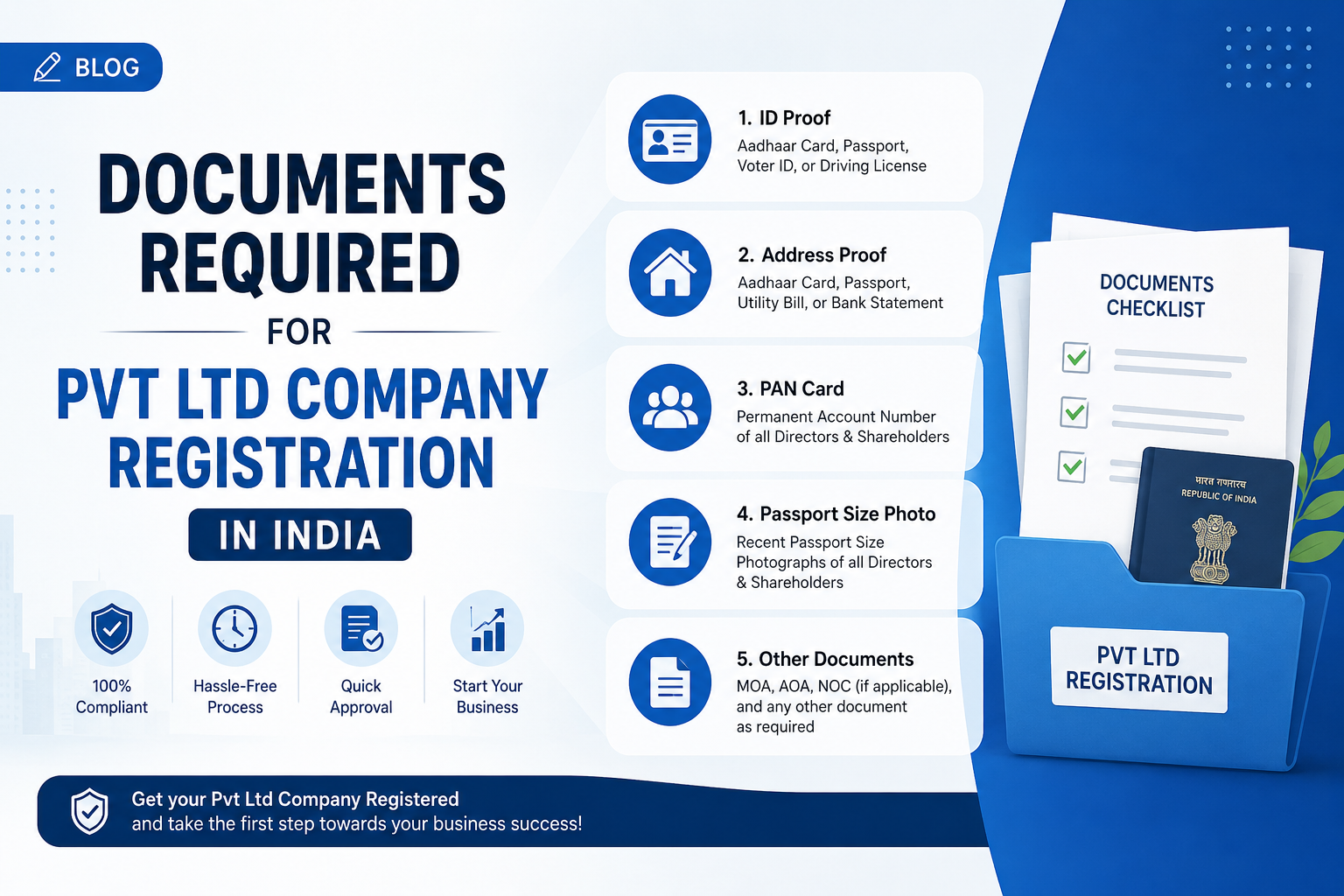
Documents Required for Company Registration in India: Complete Checklist India registered over 1,85,000 new companies in 2024 alone — an all-time high. Yet every single day, founders in Bengaluru, Kolkata, and Delhi get their MCA applications sent back for resubmission because of one mismatched name on a PAN card or an expired utility bill. Getting… read more
-
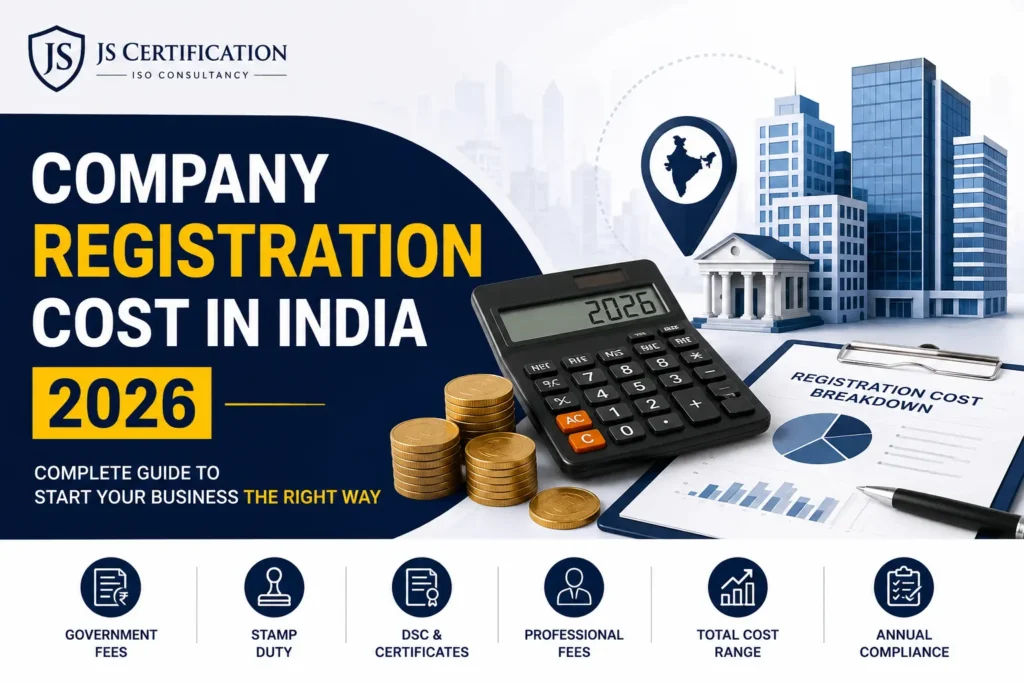
Over 2.8 million companies are registered in India — and a huge chunk of founders still don’t know what they actually paid for. The private limited company registration cost in India isn’t a single fixed number. It’s a stack of four completely different charges, and most service providers quote only one of them upfront. Here’s… read more
-
Over 1.12 lakh companies were incorporated in India in just the first eight months of FY 2024–25 — and private limited companies made up over 95% of that number. If you’re building something serious in India, there’s one structure most founders, investors, and banks trust above all others: the Private Limited Company. Getting it wrong… read more

-
India now has over 11.2 million gig workers — and that number is climbing fast. Yet most founders who hire freelancers do it on a WhatsApp message and a handshake. When things go wrong — missed deadlines, stolen designs, unpaid invoices — there’s nothing to stand on. A proper freelance contract in India is the only thing… read more
-
Most Indian startups get hit with MCA penalties, GST mismatches, or investor red flags not because they ignored compliance — but because they checked it once and never came back. A quarterly legal audit for startups costs a few hours every 90 days. The alternative can cost ₹50,000 to over ₹10 lakh in late fees,… read more
-
Most Indian startup disputes don’t start with money. They start with a handshake — the moment you decided your friend would be a good person to build this with, and skipped the paperwork that would have protected both of you. Under the Companies Act, 2013, appointing a director isn’t a casual decision. It’s a legal… read more

-
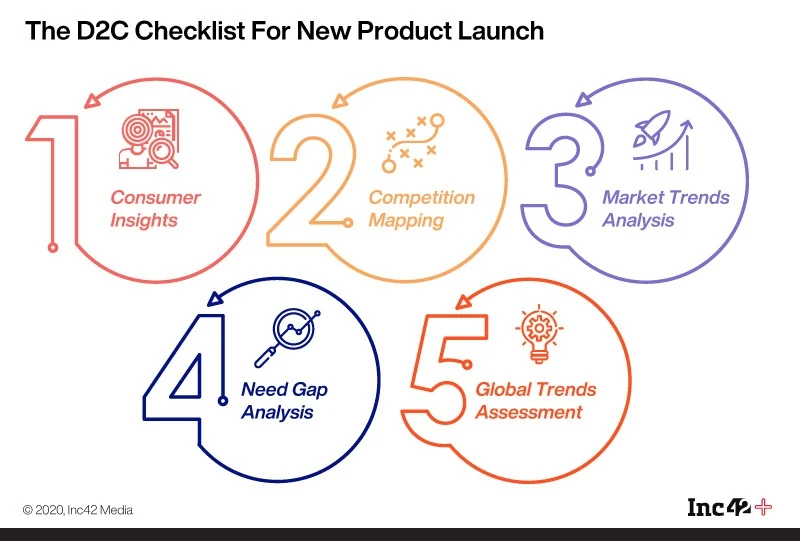
India’s D2C market crossed $60 billion in 2025. Mamaearth, boAt, Lenskart — the proof of concept is well-established. What’s less discussed is the compliance stack sitting beneath every one of those brands, and what happens when a new founder skips it. The answer: seized shipments, forced rebrands, marketplace de-listings, and penalty notices that arrive long… read more
-
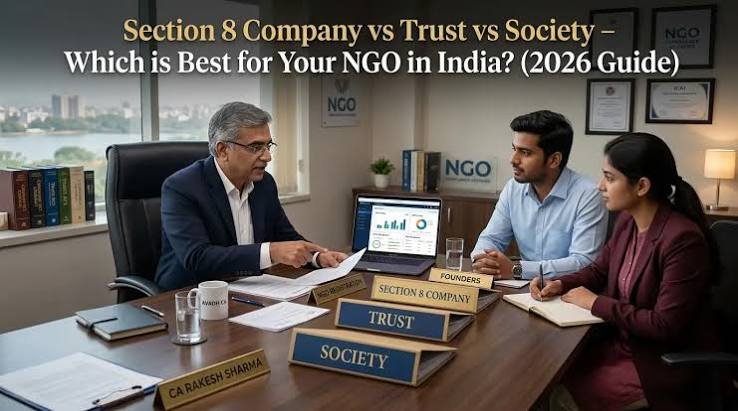
Out of India’s roughly 1.87 lakh registered NGOs, only about 11,000 are Section 8 companies — the rest are trusts and societies. So if you’re picking a legal structure for your social startup, the popular choice isn’t always the right one for you. Get this wrong and you’ll either drown in compliance you didn’t need,… read more
-
Six decades. That’s how long the Income Tax Act, 1961 governed every rupee of business income in India — and on April 1, 2026, it got replaced. If you’re running a startup, this isn’t a “read it later” compliance update. Your ESOP grant letters, TDS filings, and advance tax workings are already operating under a… read more

-
A CEDA study surveying 200 senior HR officers found that 59% of Indian organisations had not set up an Internal Complaints Committee — the single most critical requirement under the POSH Act 2013. For startups hiring their 10th employee this month in Bengaluru or Pune, that statistic is a legal liability, not just a data… read more

-
Over 23,000 companies registered on the MCA V3 portal in September 2025 alone — nearly double the figure from the same month the year before. The Ministry of Corporate Affairs has fully shut down V2 and moved every statutory filing to MCA21 V3. If your team is still working off V2 muscle memory, your next… read more
-
Online Legal Services in India: What to Check Before You Pay Over 1.7 lakh consumer complaints were officially filed in India in a single year — and a growing chunk of them involve online service providers, including legal platforms. Founders in Bengaluru, Delhi, and Mumbai have paid anywhere from ₹1,500 to ₹30,000 to online legal… read more

-
Over 95,000 companies were incorporated in India in FY 2024–25 alone. And almost every founder, at some point, has asked the same question: “Do I really need a CA and CS, or can an AI tool just handle this?” It’s a fair question — especially when you’re bootstrapped and watching every rupee. The honest answer?… read more

-
One unpaid invoice. One “that wasn’t in scope” argument. One freelancer who walks off mid-project with your source files. A weak freelance contract in India turns into exactly that — and founders usually find out the hard way, after the money’s already gone. Here’s the good news: almost every one of these fights is preventable… read more

-
India added roughly 4 million creators between 2020 and 2024. That marks a 322% increase. Many learned about their legal obligations the hard way. Some received GST notices. Others found TDS mismatches in Form 26AS. Many also saw brand deals stall because they had no invoice to raise. Creator economy law in India isn’t optional… read more

-
Most Indian freelancers cross ₹20 lakh in billings before they’ve even opened a current account for the business. That’s the exact point the law starts asking questions — and it’s usually the point founders start googling “when to incorporate company in India” at 1 a.m. Here’s the thing. Incorporating too early wastes money on compliance… read more

-
₹20,722.5 crore. That’s the combined FY25 loss reported by 45 loss-making Indian startups so far. When the runway gets short, payroll is often the first casualty. Missing even one salary cycle may seem like a temporary cash-flow issue to a founder. Legally, however, it isn’t. The moment payday passes without payment, the issue goes beyond… read more

-
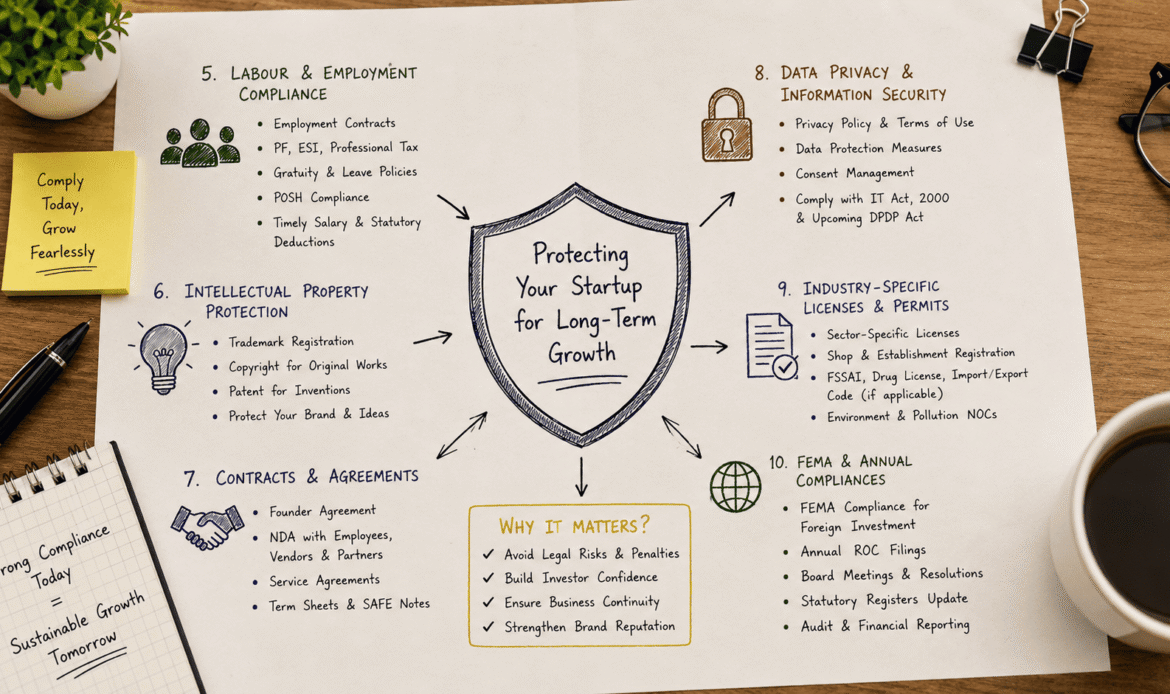
A 2025 study on Indian fintech due diligence found that 73% of failed deals traced back to regulatory gaps — missed licences, KYC lapses, and messy cross-border filings. If you’re heading into a funding round, compliance gaps are the single most preventable reason term sheets fall apart. Investors don’t walk away because your product is… read more
-
78% of Indian startups now offer ESOPs, up from just 59% in 2021. And yet, most founders get the paperwork wrong on the first try. Common mistakes include choosing the wrong pool size, skipping the cliff clause, or filing Form SH-6 months late. An ESOP helps startups retain employees only when founders structure it correctly… read more

-
On September 8, 2025, SEBI quietly rewrote the rules on founder ESOPs (Employee Stock Option Plans). These plans let founders buy company shares at a fixed price after a vesting period. The change could save you crores if you’re heading toward an IPO. Founder Vijay Shekhar Sharma had already learned this the hard way, surrendering… read more
-
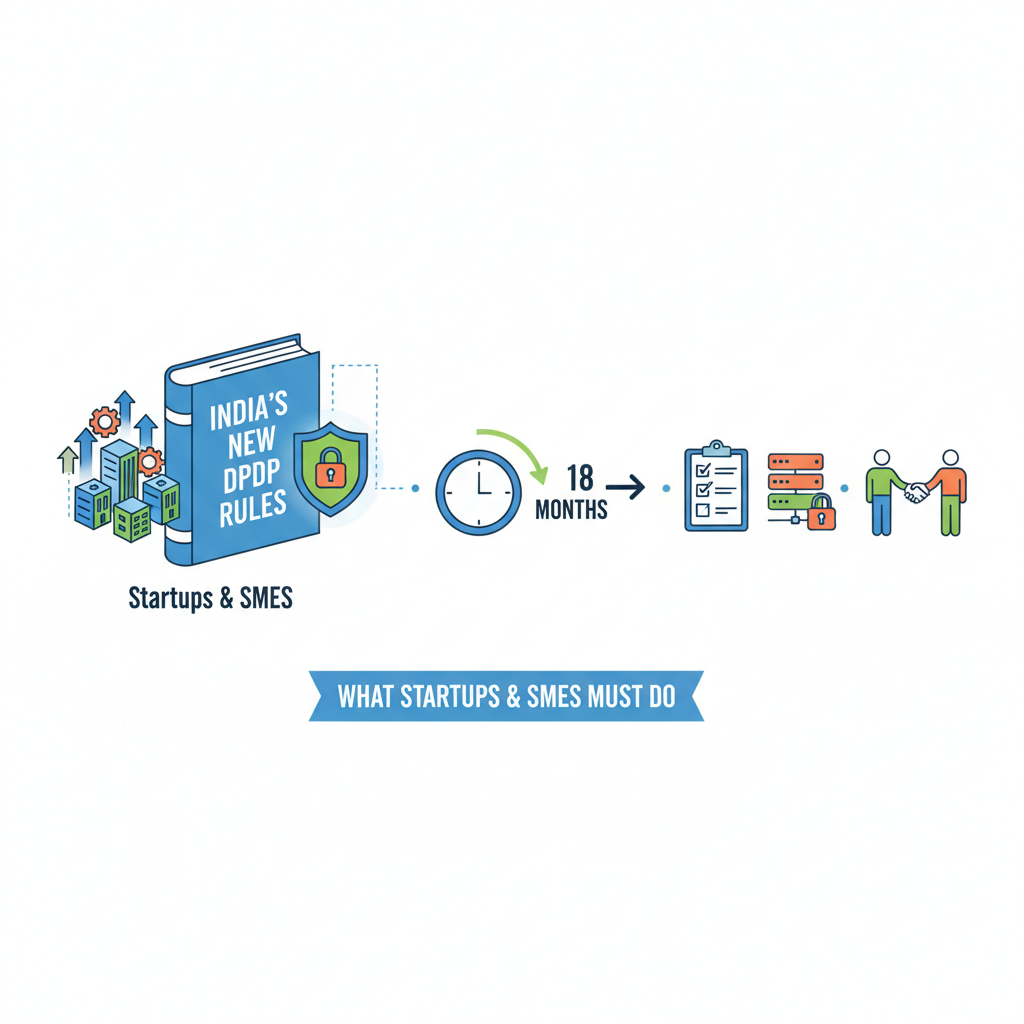
May 13, 2027 isn’t a suggestion. It’s the hard deadline for full DPDP Act compliance, and unlike most Indian regulatory rollouts, there’s no extended grace period baked in this time. If your startup collects a customer’s email, phone number, or even a device ID, this law already applies to you — whether you’ve got 200… read more
-
India’s legaltech sector has attracted $793 million in cumulative funding. In 2025, the industry recorded a 781% year-on-year increase, marking the largest single-year funding surge in its history. That’s not a rounding error. That’s investors betting big money that Indian founders are done doing legal paperwork the old way. If you’re a founder who still… read more

-
A LawGeex benchmark compared AI with 20 experienced lawyers reviewing five NDAs. The AI matched the top lawyer’s accuracy and finished the task in just 26 seconds. The lawyers took an average of 92 minutes combined. This performance gap explains why AI contract review India searches have surged over the past year. That gap is… read more

-
The MCA sends back roughly one in three company name applications filed through its portal on the first attempt. If the MCA rejected your company name, you are not alone—you likely ran into one of the common, predictable mistakes that founders make every day. The good news? Every single rejection reason is fixable in five… read more

-
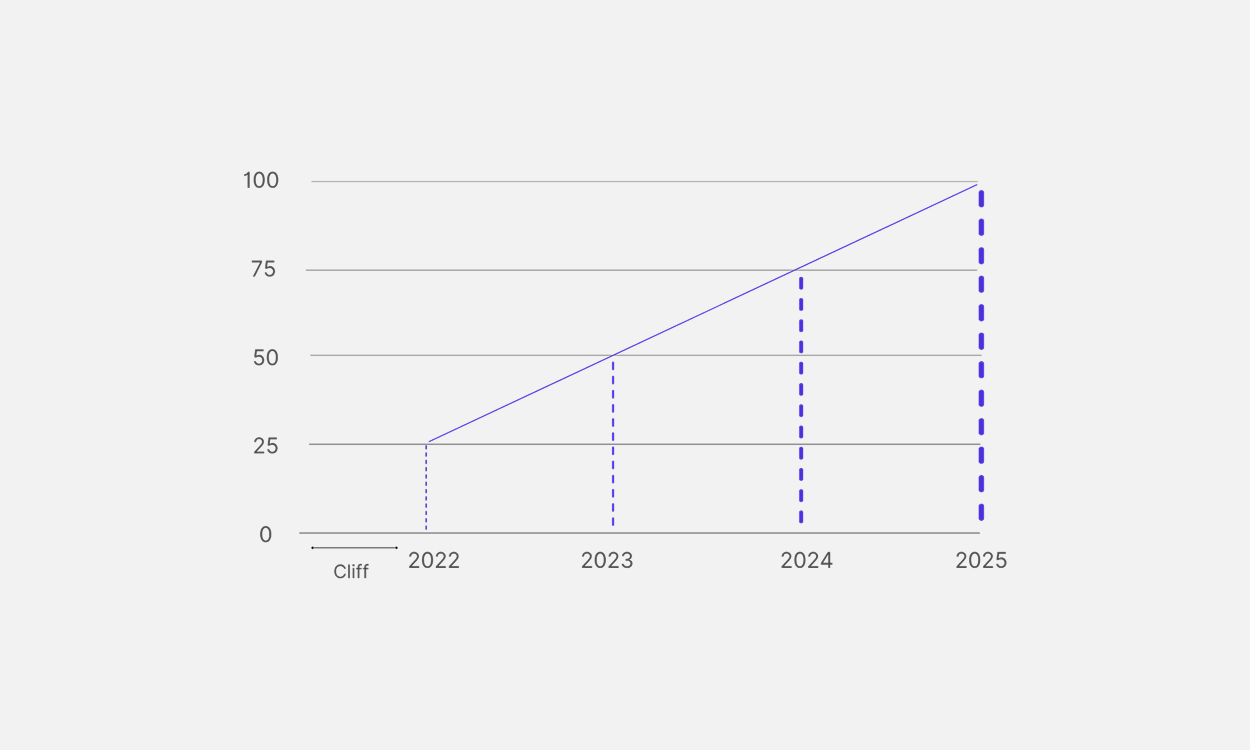
📌 TL;DR: A founder vesting schedule in India means promoters earn their shares over time — typically 4 years with a 1-year cliff — instead of receiving 100% ownership on day one. It protects the company from “dead equity” if a co-founder exits early, signals discipline to investors, and is enforced through a shareholders’ agreement… read more
-
India now has over 1.64 lakh DPIIT-recognised startups — yet most founders spend more time debating their pitch deck font than reading the one document that decides who controls their company when things go wrong. A shareholders’ agreement (SHA) is that document. And a poorly drafted one has ended more promising Indian startups than bad markets ever… read more

-
A typical Indian private limited company must navigate filings across at least five regulatory authorities — MCA21, GSTN (Goods and Services Tax Network), the Income Tax Department, EPFO, and state-specific labour portals — before it completes its first full financial year. Miss a single ROC (Registrar of Companies) filing and the penalty runs at ₹100… read more

-
Over 11,000 Indian startups shut down in 2025 alone. That’s more than 30 closures every single day. CB Insights research consistently finds team and co-founder conflict among the top reasons startups fail — and in India’s high-stakes ecosystem, it shows up in boardroom battles, equity freezes, and IP ownership wars that end careers and companies… read more

-
Over 1.5 million active companies are registered on India’s MCA21 portal — and every single director behind each one holds a Director Identification Number. Without it, you legally cannot sign a board resolution, file an MCA form, or be appointed to any company’s board. Not even for a day. Miss this step and your entire… read more

-
India crossed 180,000 DPIIT-recognised startups by mid-2025. A large chunk of those founders — from Bengaluru SaaS builders to Kolkata D2C sellers — never had a CA on retainer. And their companies are alive, compliant, and scaling. The assumption that you need a Chartered Accountant to start or run a business in India is one… read more
-
NDA for Startups: When You Need One, What It Should Say, and What It Can’t Do Every week, somewhere in Bengaluru, Mumbai, or Delhi, a founder shares their product roadmap with a potential investor — without an NDA. Sometimes nothing happens. Sometimes that “investor” builds the same product six months later. An NDA won’t guarantee… read more

-
Over 2.23 lakh startups have now been officially recognized under Startup India — and in FY 2025–26 alone, more than 55,200 new startups received DPIIT recognition, the highest ever in a single year. That’s not a coincidence. That’s founders discovering what this registration actually unlocks. Three years of zero income tax. An 80% cut on… read more

-
Your trademark application status just flipped to “Objected” on the IP India portal. Your stomach drops. You’ve spent months building this brand — now what? Here’s the thing: a trademark objection is not a rejection. It’s the examiner asking you to make your case. And if you respond well within the deadline, your mark moves… read more

-
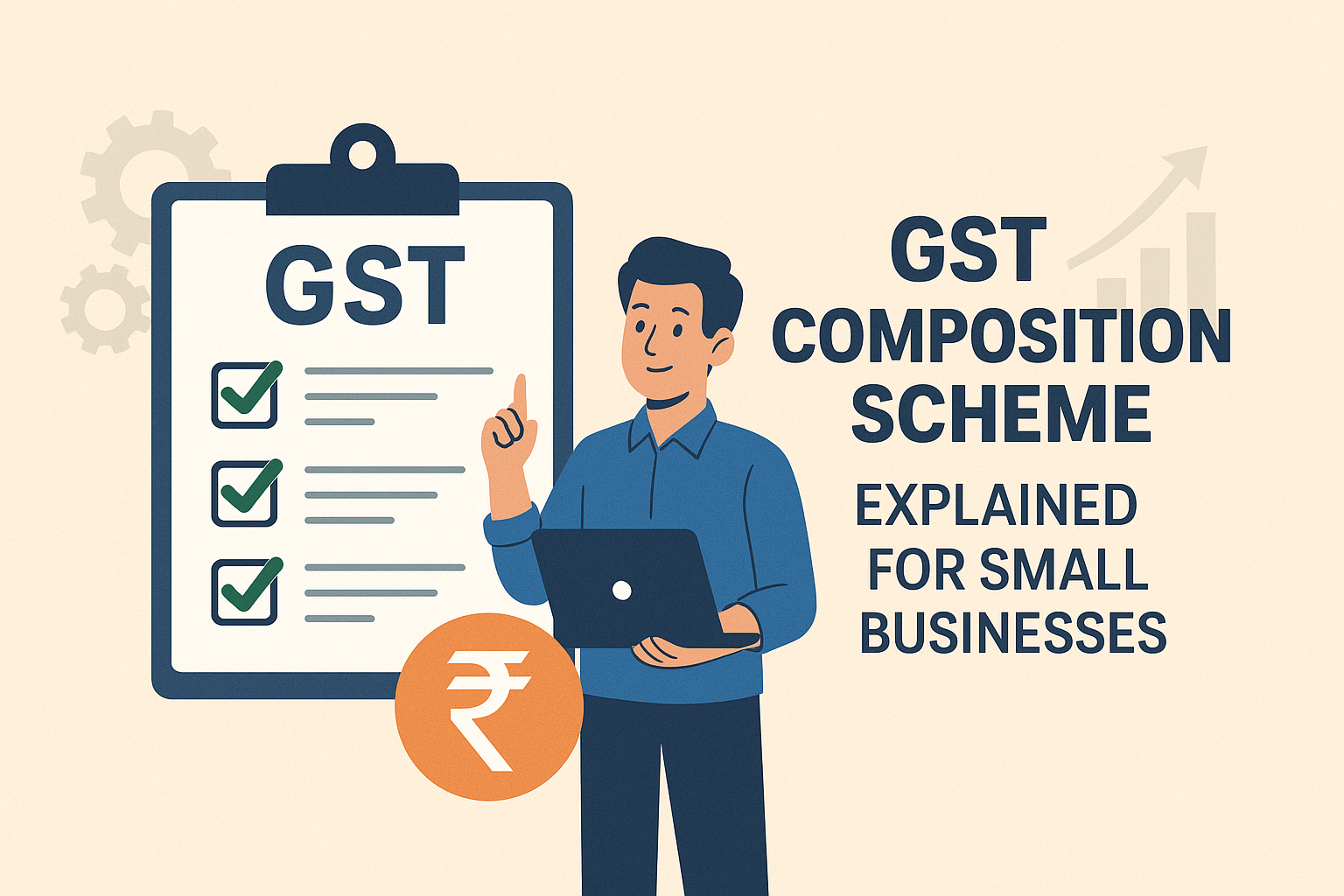
Over 14.79 lakh small businesses in India are already enrolled in the GST Composition Scheme — and paying tax at just 1% of their turnover instead of the standard 18%. If your annual sales are under ₹1.5 crore and monthly GST returns feel like a second job, you need to know about this option. The… read more
-
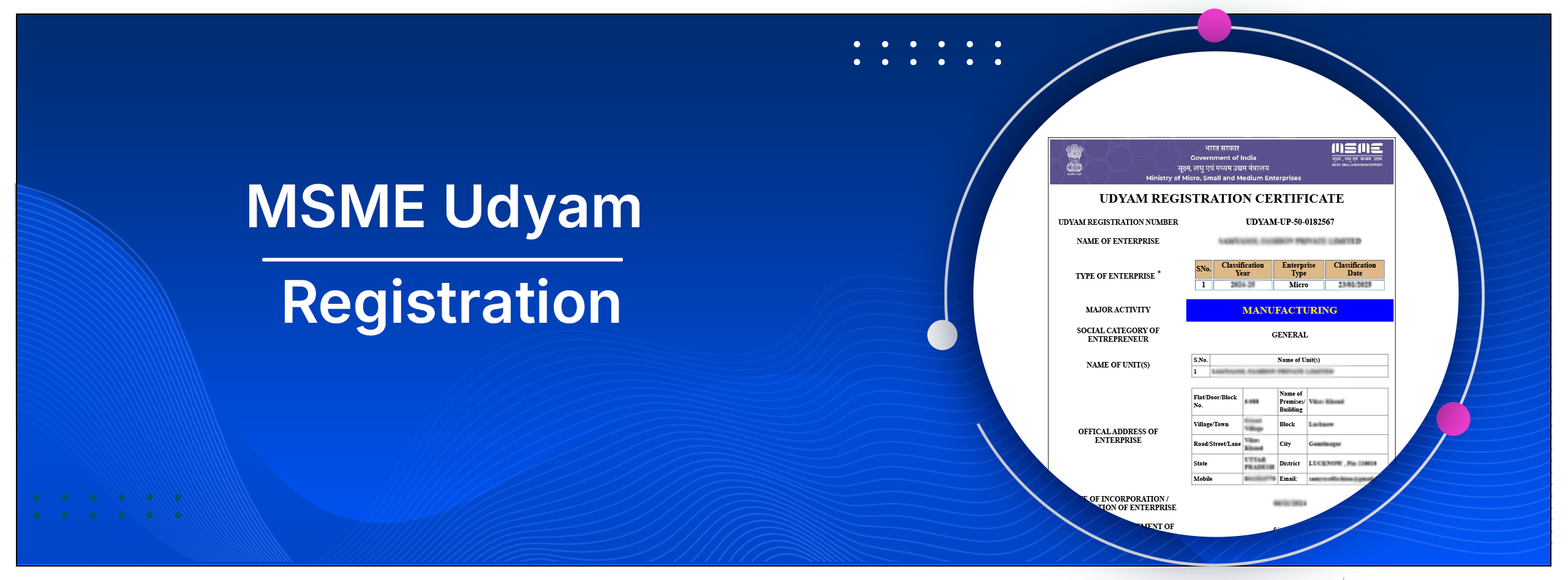
India has 7.86 crore registered MSMEs employing over 34 crore people — and yet thousands of eligible business owners still haven’t claimed their Udyam Registration. That one free certificate unlocks collateral-free loans up to ₹5 crore, government tender preferences, tax exemptions, and legal protection against delayed payments. If your business qualifies and you haven’t registered yet, you’re… read more
-
ndia filed over 5.5 lakh trademark applications in FY 2024–25. This reflects a 20% jump compared to the previous year, according to the CGPDTM Annual Report 2024–25. Yet most first-time founders still don’t know whether their brand name is even available. Many also have no idea how the registration process actually works. If you’ve built… read more
-
₹100 per day. No upper cap. The MCA (Ministry of Corporate Affairs) charges this late fee on every form filed after the ROC annual return deadline. The clock starts ticking the very next day. Miss AOC-4 and MGT-7 by just 78 days. The MCA will charge over ₹12,400 in penalties before you even factor in… read more
-
India now has over 1.97 lakh DPIIT-recognised startups — and a surprising number of them get hit with GST penalties in their first two years, not because they ignored the law, but because nobody explained it clearly from the start. GST registration for startups isn’t just a tax formality. It’s what separates a business that can legally… read more
-
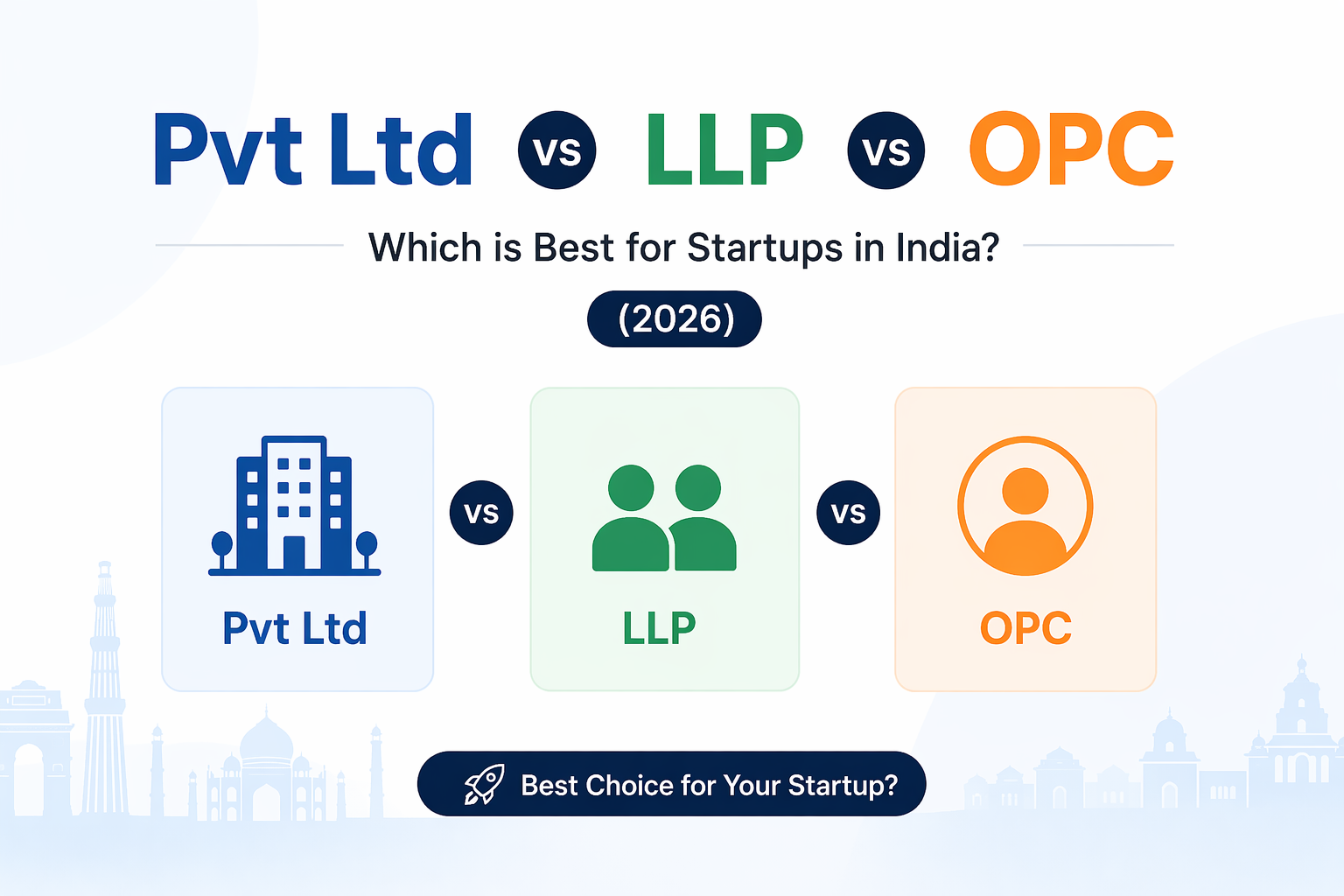
Entrepreneurs registered over 1.12 lakh new companies in India in just the first eight months of FY 2024–25—and many of those founders agonized over the same question you’re wrestling with right now: OPC, LLP, or Private Limited? Choosing the wrong business structure can increase your tax burden, discourage potential investors before your first pitch, and… read more
-
Over 1.38 lakh new companies were incorporated in India between April 2024 and March 2025 alone — and 96% of all active Indian companies are private limited companies. That’s not a coincidence. Private limited company registration gives founders limited liability, a separate legal identity, and instant credibility with investors, banks, and enterprise clients. But here’s… read more

-
You just got your Certificate of Incorporation. You’re celebrating. But there’s a mandatory MCA form sitting on a 180-day countdown clock — and most new founders don’t even know it exists. It’s called INC-20A, the Declaration for Commencement of Business, and skipping it can freeze your company’s operations, trigger a ₹50,000 penalty, and get your… read more
-
India registered 21,737 new private limited companies in April 2026 alone. Yet thousands of those applications faced delays, resubmissions, or outright rejection — not because the businesses weren’t viable, but because of avoidable paperwork mistakes. If you’re about to register your startup, this guide will save you weeks of back-and-forth with the MCA. 📌 TL;DR:… read more

-
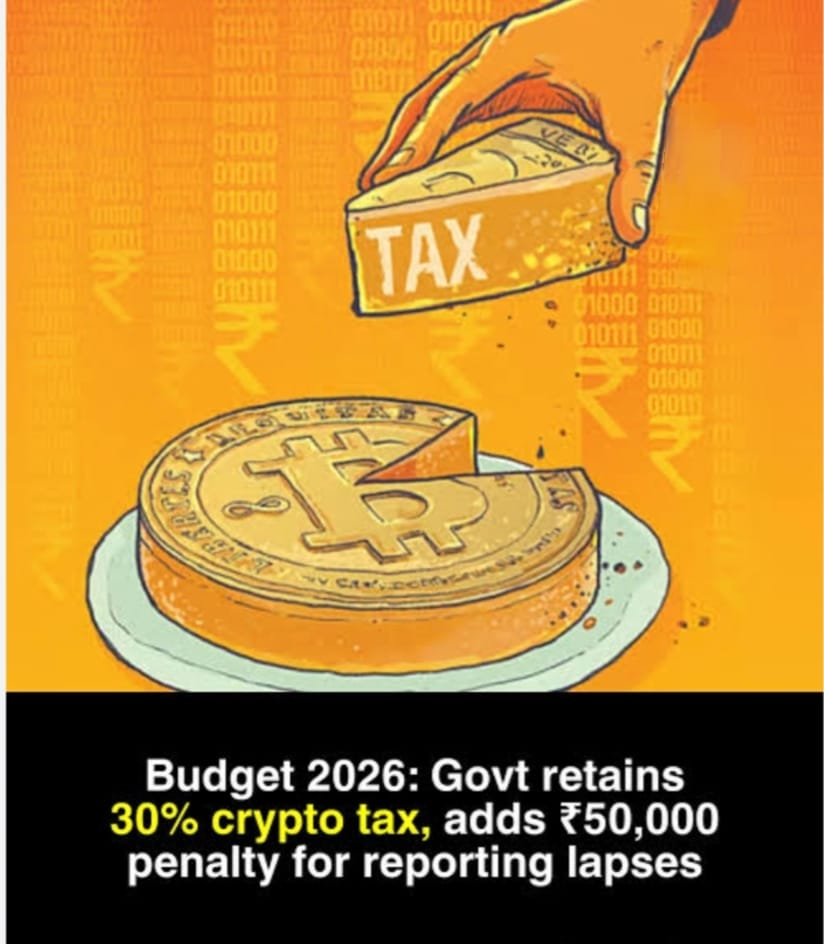
Introduction The Indian crypto landscape has traveled a long road from the uncertainty of 2018 to the structured—yet stringent—regulatory framework of 2026. As Virtual Digital Assets (VDAs) become a mainstay in the portfolios of Indian retail investors and institutional players alike, staying compliant is no longer just about avoiding penalties; it is about protecting your… read more
-
Introduction The global shift toward sustainability is no longer a corporate social responsibility (CSR) footnote—it is a core economic driver. In India, the year 2026 marks a defining moment for the Green Economy. With the operationalization of the Green Credit Program (GCP) and new tax incentives introduced in the Union Budget, eco-startups are moving to… read more

-
Introduction For the modern Indian entrepreneur, “Labor Law Compliance” often evokes images of dusty registers, surprise inspections, and mountain-high paperwork. However, as India moves toward a more digitized and pro-business regulatory environment, the Self-Certification Scheme has emerged as a game-changer. In 2026, self-certification is no longer just an alternative; it is the gold standard for… read more
-
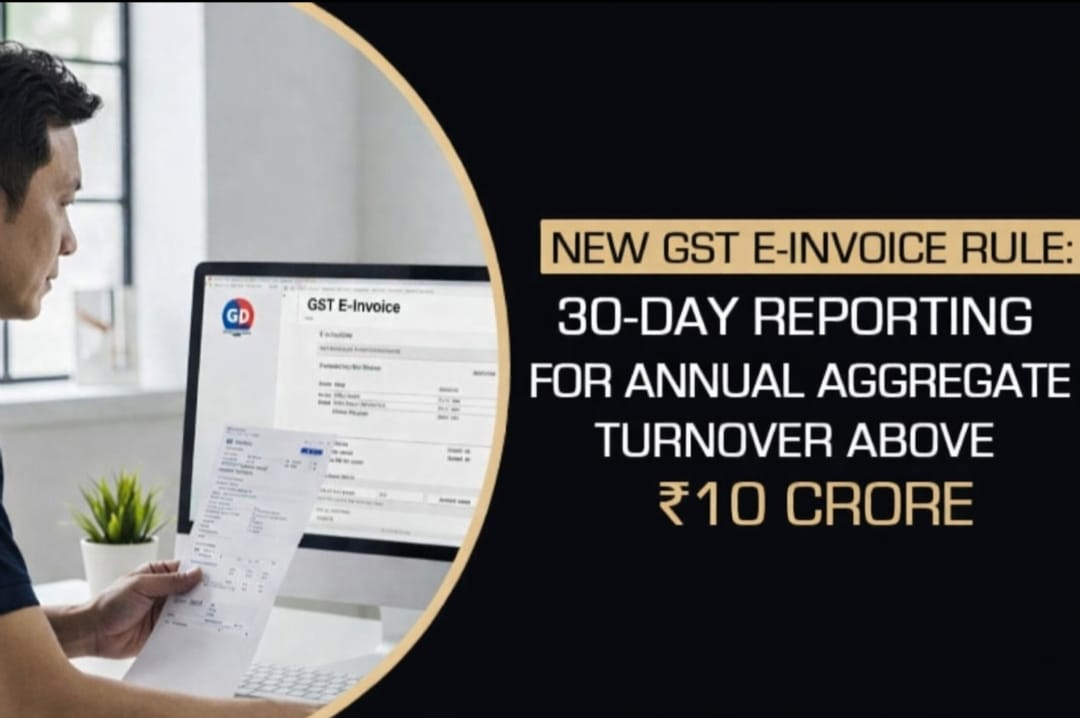
Introduction In the world of Indian indirect taxation, the “Paperless Revolution” has reached its final frontier. As of 2026, the Goods and Services Tax (GST) framework has shifted from an optional digital convenience to a mandatory real-time reporting requirement for almost the entire organized sector. The latest lowering of e-invoicing turnover thresholds has brought lakhs… read more
-
Introduction The Union Budget 2026-27 has officially signaled the end of the “quick-fix” subsidy era. Finance Minister Nirmala Sitharaman has instead unveiled a structural “Operating System” for the Indian tech ecosystem—focusing on long-term infrastructure, tax predictability, and a massive bet on the Orange Economy. For the Indian tech ecosystem, this isn’t just another fiscal plan;… read more

-
Introduction In the rapid-fire world of the Indian startup ecosystem, the traditional “wet ink” signature is fast becoming a relic of the past. From SaaS subscriptions to high-stake founder agreements, the Virtual Contract is now the primary vehicle for commerce. However, as we move through 2026, a critical question remains: Is a digital agreement truly… read more

-
Introduction Dealing with a bounced cheque can be a highly frustrating experience. Whether you are a business owner waiting on a critical client payment, a landlord collecting rent, or an individual expecting the repayment of a friendly loan, an unpaid cheque disrupts your cash flow and breaches your trust. However, Indian law provides a robust… read more

-
Introduction India’s rapid adoption of digital payments has made transferring money as easy as sending a text. Unfortunately, scammers have also levelled up their game. If you have just realized that you are the victim of a UPI fraud, take a deep breath. Panic is a natural reaction, but acting swiftly and methodically is your… read more

-
Introduction Getting approved for a loan—whether it is for a new home, a car, or scaling your business—is an exciting milestone. However, the excitement often overshadows the most critical step of the process: reading the fine print. Borrowers in India frequently sign lengthy legal documents without reviewing them carefully, assuming they are standard non-negotiable templates.… read more

-
Introduction Whether you are writing a novel, designing a logo, coding a new app, or producing music, your creative output is a valuable asset. In an age where digital theft and content scraping are rampant, protecting your intellectual property is no longer optional. Navigating intellectual property laws can feel intimidating, but understanding your rights is… read more

-
Introduction In today’s hyper-competitive business landscape, your ideas, data, and processes are your most valuable currency. Whether you are pitching a revolutionary app to an investor, hiring a new lead developer, or onboarding a manufacturing vendor, you have to share sensitive information to move forward. But how do you ensure the other party doesn’t steal… read more

-
Introduction The foundation of any successful professional relationship is clarity. Whether you are a fast-growing startup bringing on your first hire or a seasoned professional evaluating a new job offer, the employment agreement is the most critical document you will handle. It dictates not just what you do and how much you get paid, but… read more

-
Introduction Deciding how to pass on your hard-earned property to your loved ones is a significant milestone. In India, property transfers within a family usually come down to two primary legal instruments: a Gift Deed or a Will. Both methods achieve the ultimate goal of transferring ownership, but they operate on entirely different timelines, carry… read more

-
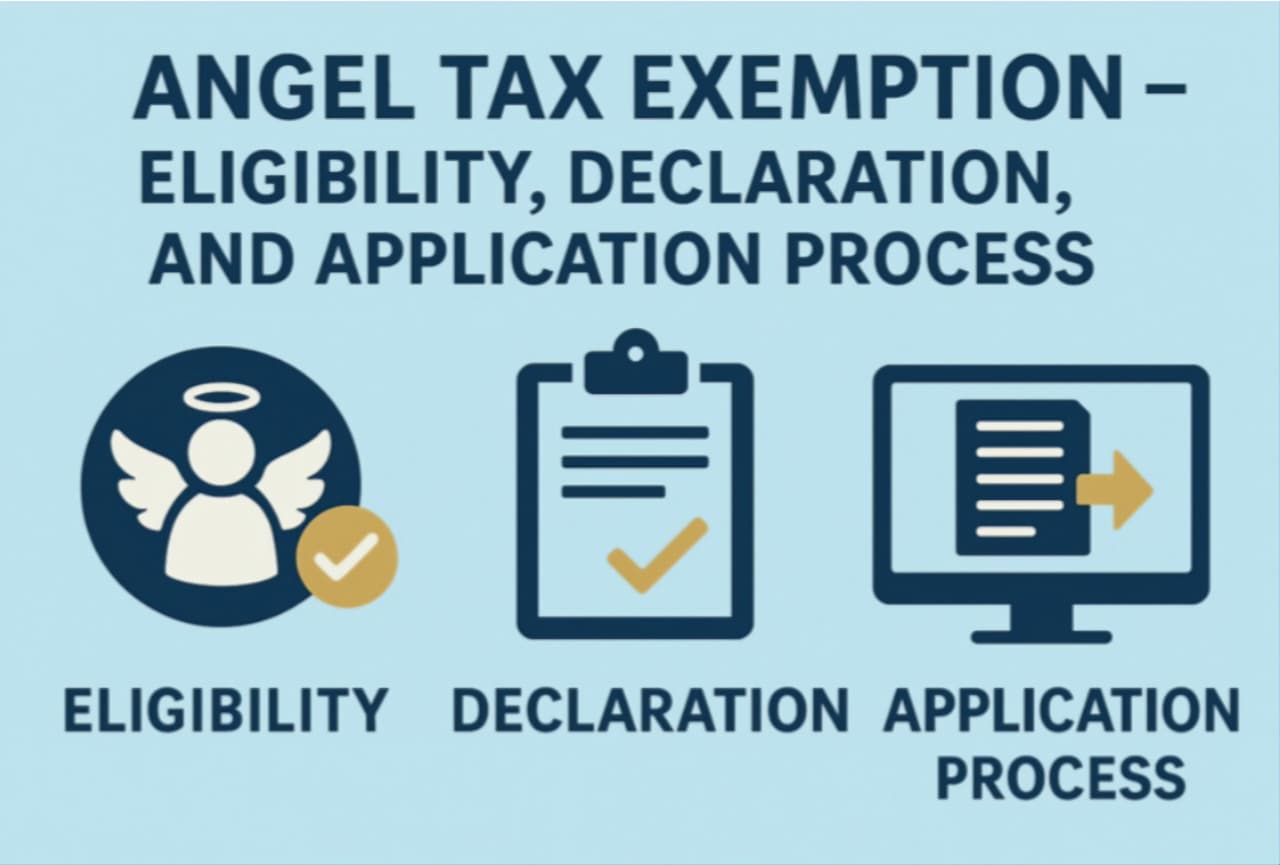
Introduction Starting a business in India is exciting, but founders often face complex tax rules while raising funds. One such issue that troubled startups for years was angel tax. To encourage innovation and investment, the government introduced several exemptions for eligible startups. One of the most important provisions founders should understand is Section 80-IAC of… read more
-
Free legal consultation for new clients · Book yours at lawizer.com →Lawizer Free Consultation Property Law · India Your Tenant Won’t Leave.Now What? A no-jargon guide for Indian landlords dealing with non-paying or non-vacating tenants — and how to resolve it legally, quickly, and without a single court visit. By Lawizer Legal Team|8 min read|PropertyTenant… read more

-
Introduction Building a startup is very challenging and Building a great team is even more challenging. In the early days, one might not have the money to offer high salaries like big companies. Yet, you still need smart, dedicated people who believe in your vision. This is where ESOPs come in. If you are a… read more

-
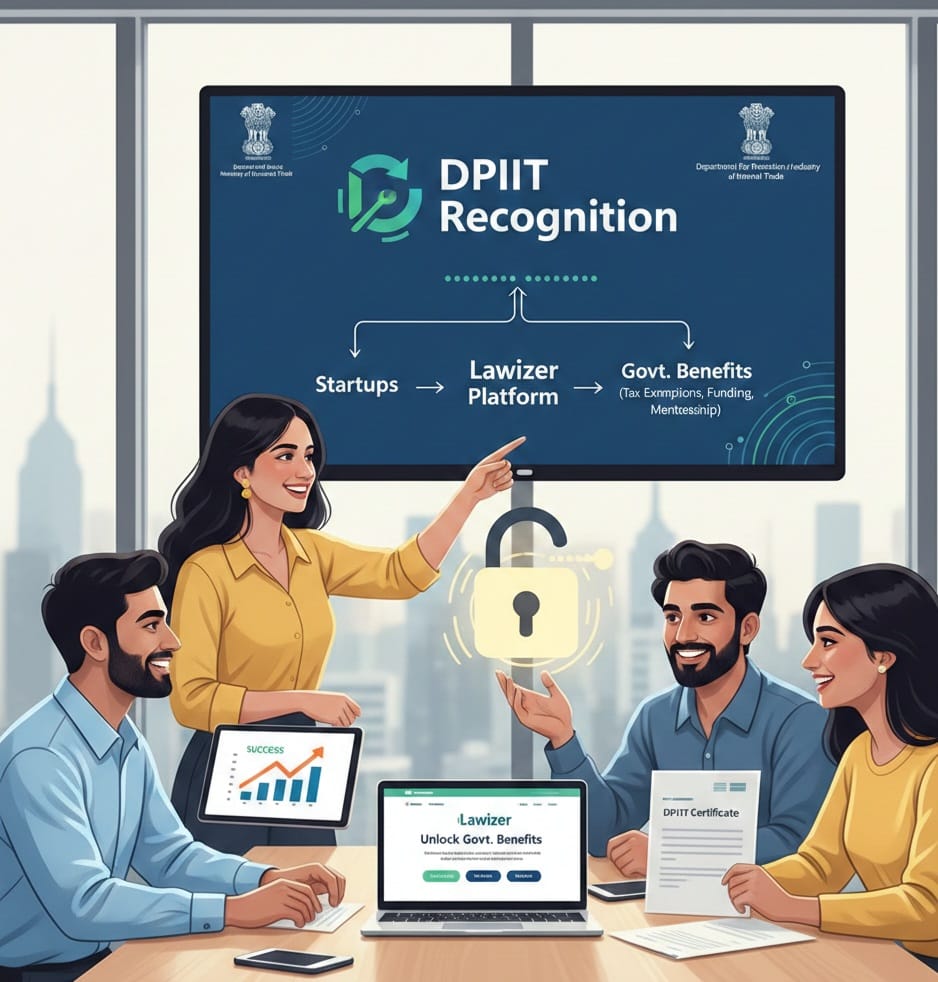
Introduction India has emerged as one of the fastest-growing startup ecosystems in the world. Thousands of entrepreneurs are building innovative businesses in sectors such as technology, healthcare, fintech, and education. To support these startups, the Government of India launched the Startup India initiative. Under this initiative, startups can obtain recognition from the Department for Promotion… read more
-
Introduction Filing an Income Tax Return (ITR) as a salaried employee often feels like navigating a bureaucratic maze. In 2026, the Income Tax Department has shifted toward advanced AI-driven data processing. This means even a minor clerical error can trigger an automatic tax notice. While technology has increased scrutiny, legal-tech platforms like Lawizer have made… read more

-
Introduction Starting a business is exciting and thrilling. It often begins with a powerful idea, a late-night conversation, or a shared dream between friends. In the early days, everything feels possible. Everyone is motivated. Everyone trusts each other. But while passion and trust are important, they are not enough to build a successful company. This… read more
-
Introduction Choosing the right business structure is one of the most important decisions for any entrepreneur. In India, registering as a Private Limited Company under the Ministry of Corporate Affairs offers several legal, financial, and strategic advantages. Whether you are launching a startup or scaling an existing venture, understanding the benefits of registering as a… read more
-
Introduction Online legal consultation has witnessed tremendous growth, especially in India, where digital adoption continues to rise rapidly. The legal industry has undergone a major transformation in recent years. What was once considered traditional and conservative has now evolved into a more accessible, approachable, and affordable model. Today, individuals and businesses prefer quick, remote, and… read more
-
Introduction In 2026, forming a company in India has become significantly easier due to digital platforms and integrated regulatory systems. However, business incorporation still requires proper planning, documentation, and strict compliance with legal formalities. This essential checklist will help you with the entire process to ensure your company is incorporated smoothly, legally, and successfully. Why… read more
-
Introduction In the rapidly evolving digital economy of India, fintech startups are no longer just “apps”—they are sophisticated financial institutions operating under the watchful eye of multiple regulators. As of 2026, the mantra for success has shifted from “growth at any cost” to “growth through compliance”. For a founder, navigating the labyrinth of Indian financial… read more

-
Introduction GST registration is a transformative step for any sole proprietorship in India. It is the bridge that transitions a small local business into a legally recognized, tax-compliant entity. While the government has digitized the process through integrated portals, the journey often remains challenging due to rigorous documentation and legal verification requirements. The Goods and… read more

-
In the hyper-competitive Indian market, your brand name isn’t just a label—it is a vital business asset. Many founders make the mistake of thinking a Domain Name or a Company Registration (RoC) gives them ownership of their brand. However, in the eyes of Indian law, a domain name is merely an address, and a RoC… read more
-
In India, finding legal help can be a challenge, especially during a crisis. Whether you are dealing with a wrongfully issued traffic challan, a cybercrime situation, or a threat to women’s safety, immediate access to professional counsel is vital. Lawizer is designed to provide that instant support. By bridging the gap between technology and the… read more
-
This blog will cover the basic requirements for filing ITR-6 , Importance ofCorporate tax return India , ITR-6 Due date. Introduction: Purpose Of Filing Under ITR-6: For filing under ITR-6 for the income tax return , it is especially done forcompanies which are incorporated under the Companies Act , 2013. This ensures not only reporting… read more

-
Introduction Many business entities such as partnership firms, Limited Liability Partnerships (LLPs), and associations are required to file their income tax returns every year. For these entities, the relevant tax return form is ITR-5. The procedure of filing ITR-5 is an important compliance requirement under the Income Tax Act. It helps businesses report their income,… read more